
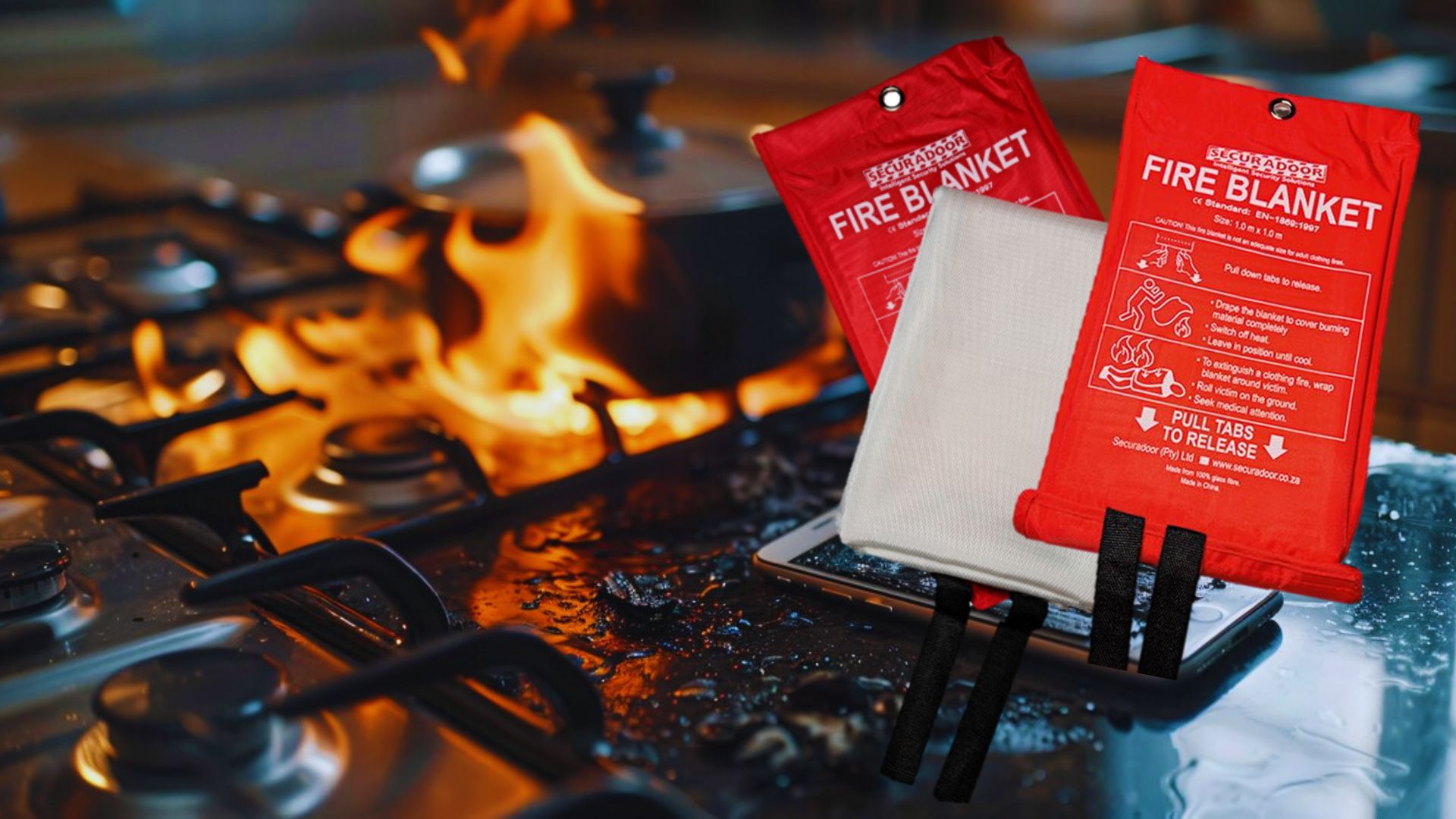
Home fires are a significant concern, and the kitchen is often the most common place for them to start. The combination of heat, flammable materials and distractions can lead to dangerous situations.
Common causes of kitchen fires:
- Unattended cooking: One of the leading causes of kitchen fires is leaving cooking food unattended. It’s easy to get distracted by a phone call, a TV show or a knock at the door, but even a few moments away from the stove can lead to disaster.
- Grease fires: Cooking with oil at high temperatures can result in grease fires. These are particularly dangerous because they can spread rapidly and are not easily extinguished with water.
- Faulty appliances: Older or malfunctioning kitchen appliances can overheat or cause electrical fires. Regular maintenance and inspections are essential to prevent such incidents.
- Cluttered cooking areas: Keeping flammable items like kitchen towels, paper and plastic too close to the stove can lead to accidental fires.
How to prevent kitchen fires:
- Stay attentive: Always keep an eye on what you’re cooking. If you need to leave the kitchen, turn off the stove or use a timer to remind you to check back frequently.
- Use cooking thermometers: To avoid overheating oil and causing grease fires, use a cooking thermometer to monitor the temperature. If the oil starts smoking, it’s a sign that it’s too hot and should be removed from the heat immediately.
- Maintain appliances: Regularly check your kitchen appliances for signs of wear and tear. Replace old or faulty equipment to minimise the risk of electrical fires.
- Keep flammable items away: Maintaining a clean and organised cooking space is crucial. Store kitchen towels, paper products and other flammable materials at a safe distance from the stove and other heat sources.
How to stop a kitchen fire:
While prevention is key, knowing how to respond to a kitchen fire is equally important.
- Lid or bicarbonate of soda: For small pan fires, sliding a lid over the pan can help smother the flames. Alternatively, pouring bicarbonate of soda can help extinguish grease fires. Never use water on a grease fire, as it can cause the fire to spread.
- Fire blanket: Made of fire-resistant materials, a fire blanket can smother small fires quickly. Keep a fire blanket within easy reach in your kitchen and use it by carefully placing it over the fire to cut off the oxygen supply, effectively extinguishing the flames.
- Fire extinguisher: A fire extinguisher is another essential tool. Make sure it’s the right type for kitchen fires (Class K for grease fires). Familiarise yourself with its operation and ensure it’s easily accessible.
- Emergency numbers: Keep emergency contact numbers handy. If the fire is too large to handle, evacuate immediately and call the fire department. Emergency numbers that you need to know:
Fire Station – 10177
Police Services – 10111
Ambulance – 011 375 5911
Kitchen fires are a serious threat, but with the right precautions and tools, they can be prevented and managed effectively. Stay vigilant, maintain your appliances and know how to respond if a fire does occur. Your safety is our priority and with these tips, you can cook with confidence and have peace of mind.